
Sharing thoughts on these assets, too, can provide deeper insights than raw data alone could ever offer. It helps create an open dialogue between client and designer right from the start which aids in aligning expectations about the project’s direction. Behind every successful design project, there’s a powerful research process. It feeds into the crafting of an effective design brief, acting as the foundation for informed decision-making and strategic direction. Check out our design brief template below to make creating an effective design brief more simple.
Key features
A design brief is a demonstration of understanding between the designer and the client. Our primary audience includes eco-conscious individuals aged living in the urban area near the café. These customers value sustainability, community, and quality in their coffee and café experience. We are announcing our new website at an event in March but want to quietly launch the website a month prior.
Step 3: The design brief objective and SMART goals
If you don’t have established brand guidelines, work with the right team members to put together some information about the tone and voice that this particular creative work should follow. It should have a voice (a personality) and a tone (a mood or attitude). The Smartsheet platform makes it easy to plan, capture, manage, and report on work from anywhere, helping your team be more effective and get more done. Report on key metrics and get real-time visibility into work as it happens with roll-up reports, dashboards, and automated workflows built to keep your team connected and informed. Maze collects qualitative and quantitative user feedback to inform design decisions and create better user experiences. These items have a direct impact on the design project, so make sure you take inventory of all relevant information and include it in the creative brief.
Goals and objectives
This flexibility often results in a product that truly resonates with its intended audience and fulfills its business objectives. You also need the right template to assure stakeholders that mission or scope creep don’t derail the client’s design project. Ziflow is the perfect tool for successful sign-off of design briefs by the client and design team as all stakeholders get real-time updates and notifications throughout the review and approval.
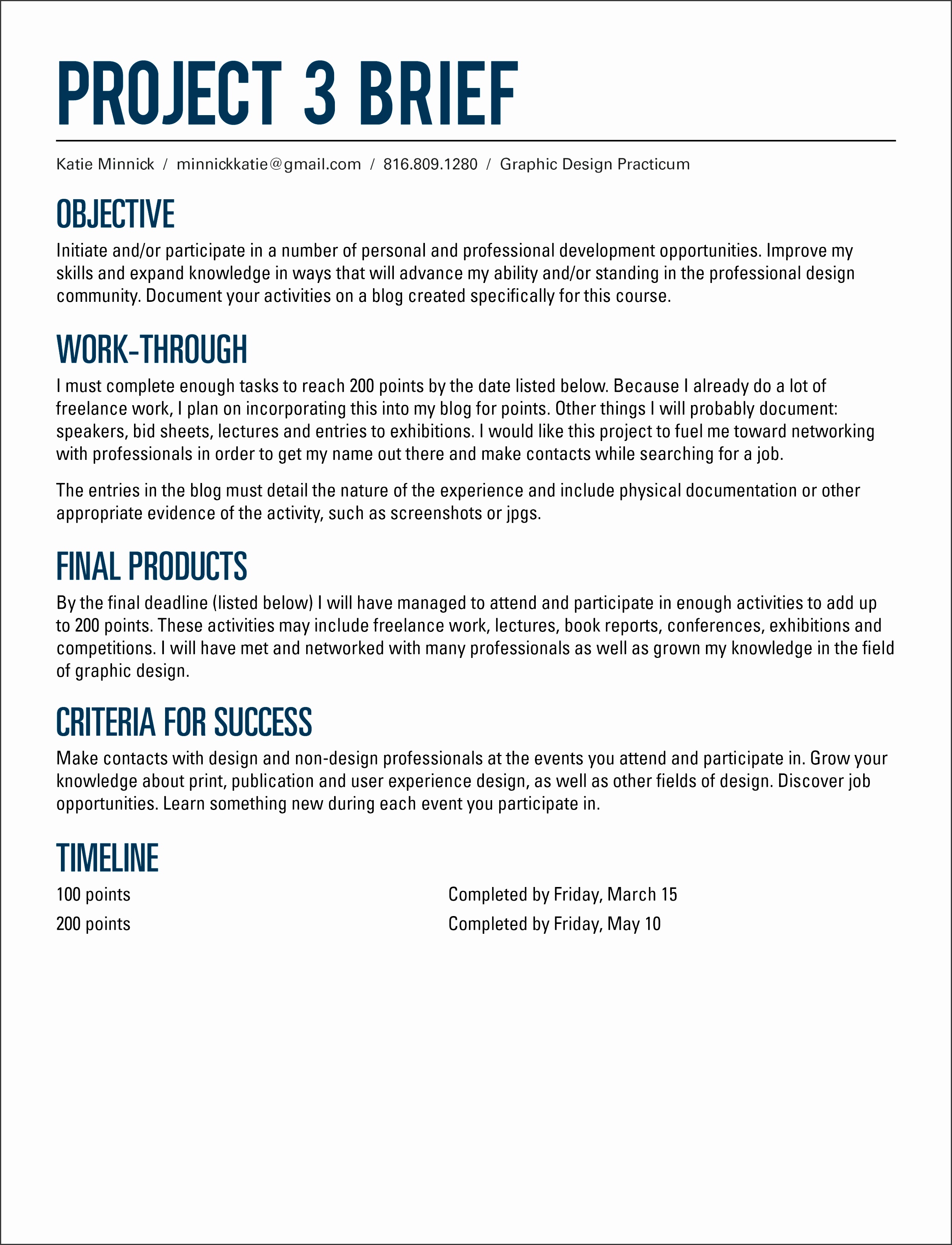
Running a project without it usually means relying on phone calls, long email threads, notes, and messages, which inevitably results in chaos. Whether you are a design agency or a company commissioning the design, with a brief, you have a single guiding document for your entire design process. A well-defined schedule helps designers focus their efforts efficiently while also allowing clients to align expectations regarding delivery dates. Plus, it ensures everyone involved can effectively manage their resources throughout each phase. A comprehensive design brief serves as the roadmap for your entire project – from defining objectives and target audience all the way through delivery.
Contrary to common belief, a brief is unlikely to be handed to you by a client at the start of the project. On the contrary—a brief is usually written by the designer themselves in order to ensure they have all the information they need to start work. Effective communication, creative collaboration, and a shared understanding lead to cohesive design decisions and outcomes that align with your vision. The challenge with creating a design brief is that it typically falls outside of a designer’s normal comfort level and skill set.
Her current logo features a dog with a broom and is used on invoices, t-shirts, business cards, and social media. Clean Sweep is a small business that’s ready to expand its renowned cleaning services to a larger market. Sherry, the business owner and operator, recognizes that much of her success comes from her personable, down-to-earth approach to service. Although she wants to grow her business, she wants this same quality to characterize her brand’s new visual identity. Creating a brief entails a discovery stage in which the designer works with the client to establish the purpose of a project, its objectives, and the criteria for success. A design brief is a written description of a design project that communicates the project’s vision to everyone involved.
You should have a thank you gift in your inbox now-and you’ll hear from us again soon!
They also rely on the method to assess whether a given solution is likely to solve the problem at hand. But even if you’re not a designer, the method can help assign priorities and ground your ideas in reality. Any process can get pretty complex, especially when it has multiple components.
Can AI help you win your next brief? - It's Nice That
Can AI help you win your next brief?.
Posted: Wed, 15 Nov 2023 08:00:00 GMT [source]
Start with an overview of the business
It’s an agreed-upon, vital contract that guides both clients and designers from initial ideation all the way to a strong, viable end-product. Now that the brief includes an overview of the business, you should lay out exactly what work is needed, also known as the project scope. Maybe the project is about creating a new logo for the company, doing graphic design work for a landing page, or web design for an existing product. Although the client creates the design brief, design agencies or freelancers usually participate in its creation. For example, clients might have a general idea of the project and know what problem they’re trying to solve, but they may not be familiar with the design process.
The balance lies in creating a document that includes everything you need for a project in a manner and format that clients (and other team members) can scan quickly for information. A design brief can be a powerful project management tool that keeps you and clients on target with everything from deadlines to project milestones to deliverables. Make sure all the details are listed, including their name, email address, and phone number. Remember to include any third-parties involved in the project, such as copywriters or web developers. It’s essential to understand the target audience and market for the design. One of the most important steps in planning a design project and writing your design brief is aligning on what you (or your client) want to achieve with the new design.
Outdoor Kitchens: A Brief History and 15 Current Examples - ArchDaily
Outdoor Kitchens: A Brief History and 15 Current Examples.
Posted: Wed, 17 May 2023 07:00:00 GMT [source]
Having an approved design brief also gives everyone involved a sense of ownership over the project. This fosters collaboration as all stakeholders are invested in its success. The time saved by having clear project directions means designers have more hours to invest in bringing your vision to life.
The app aims to help professionals manage their tasks and projects efficiently, with unique features enabling collaboration and prioritization. Our social media marketing agency is redesigning our website to feature a new home page, blog section, and portfolio. We are a small team of eight members who work with 50 businesses in our area, and all of our work is currently clustered together on our outdated webpage. We have matured as a brand since we created our initial website and grown as a company, and we want our new website to reflect that. Design projects are collaborative by nature and your ideal design project management software will have the features to support that!
We are open to innovative ideas but must ensure the app remains intuitive for new users. Our target users are professionals aged who juggle multiple tasks and projects. They are looking for a comprehensive but straightforward solution to improve their daily productivity and work collaboration.
It’s all about playing detective to understand your users’ behaviors, needs, and motivations through interviews, surveys or usability testing. Add in some ethical ‘spying’ on competitors for inspiration without imitation. All this data then fuels an effective design brief that nails both user needs and market relevance. For a solid brief, it’s crucial to clearly outline the project scope and pinpoint specific deliverables. A well-crafted design brief starts with defining clear goals and objectives. This is more than just stating what you want your final product to look like—it’s about outlining what you hope it will achieve.
Hopefully developing your own creative brief doesn’t seem so daunting after all and you’re ready to get moving on building your next one. After you’ve written your creative brief, manage the next steps in your creative process in a work management tool, like Asana. Not only will it help keep you organized—it will actually help you run the show.
Still, the quality of the design depends on the knowledge of all these details. Even if it seems clear, it's best not to assume that the designer knows everything about your company. The deeper the designer understands your business, the more opportunities for creativity they have.


No comments:
Post a Comment